Paths and walkways
10 to 20lux
- CRI min 80
- IP65 · IP67 in-ground
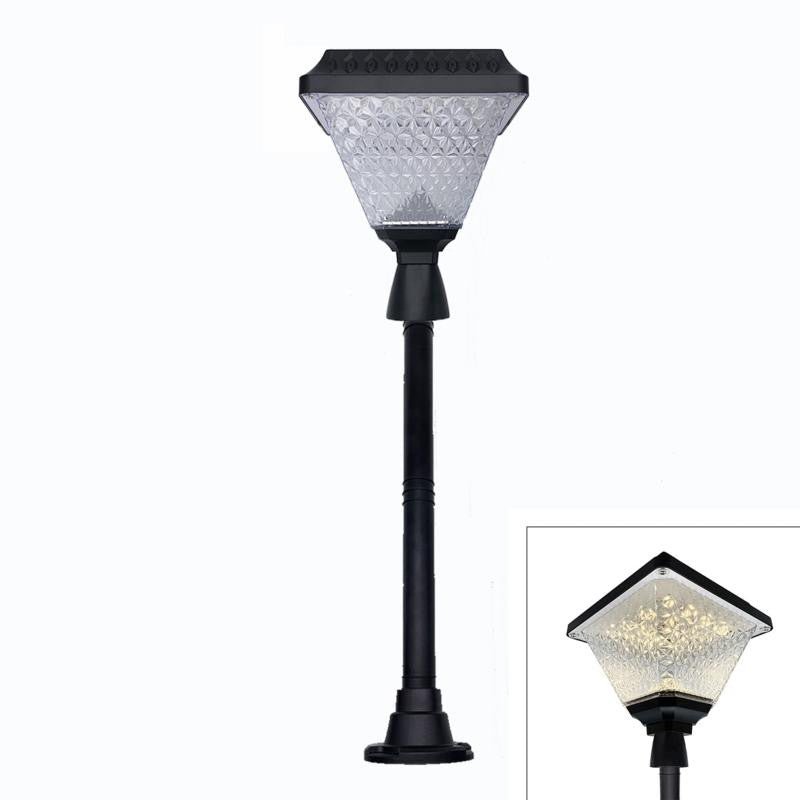
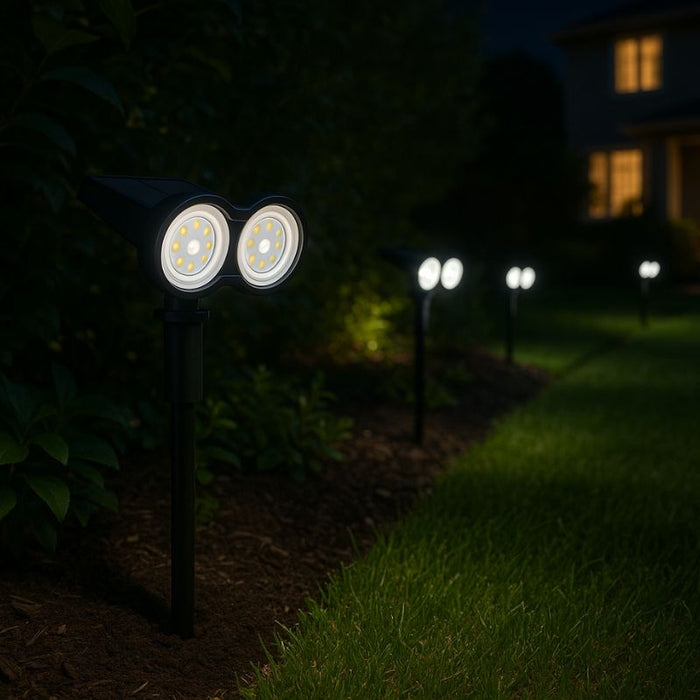
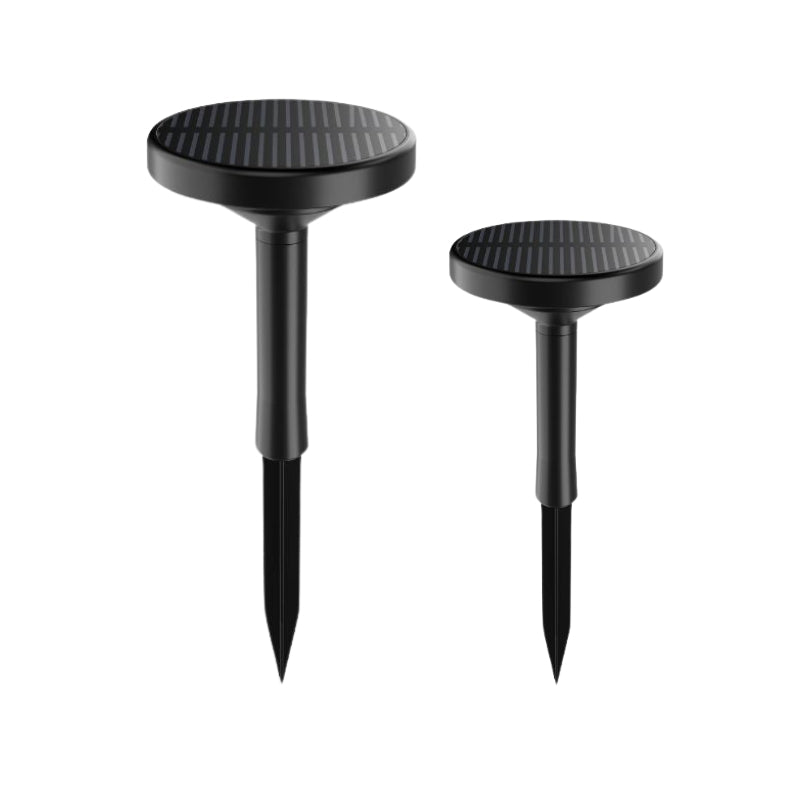
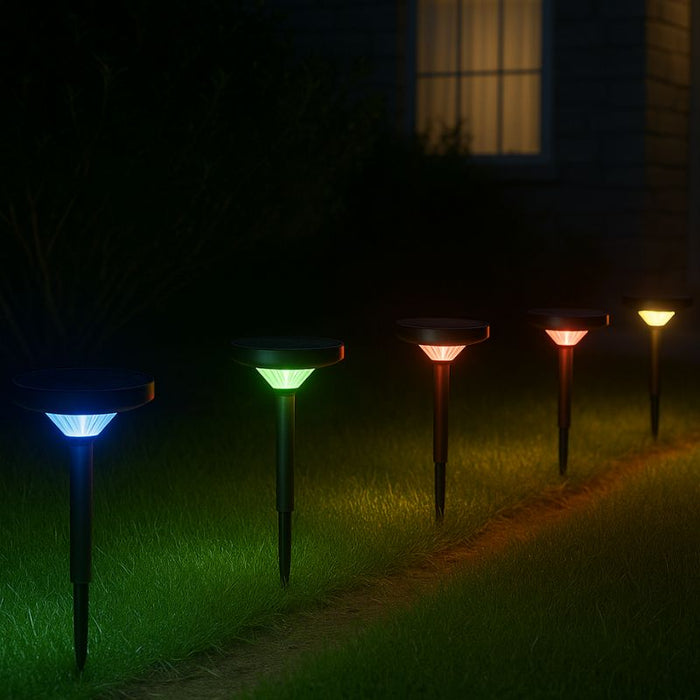
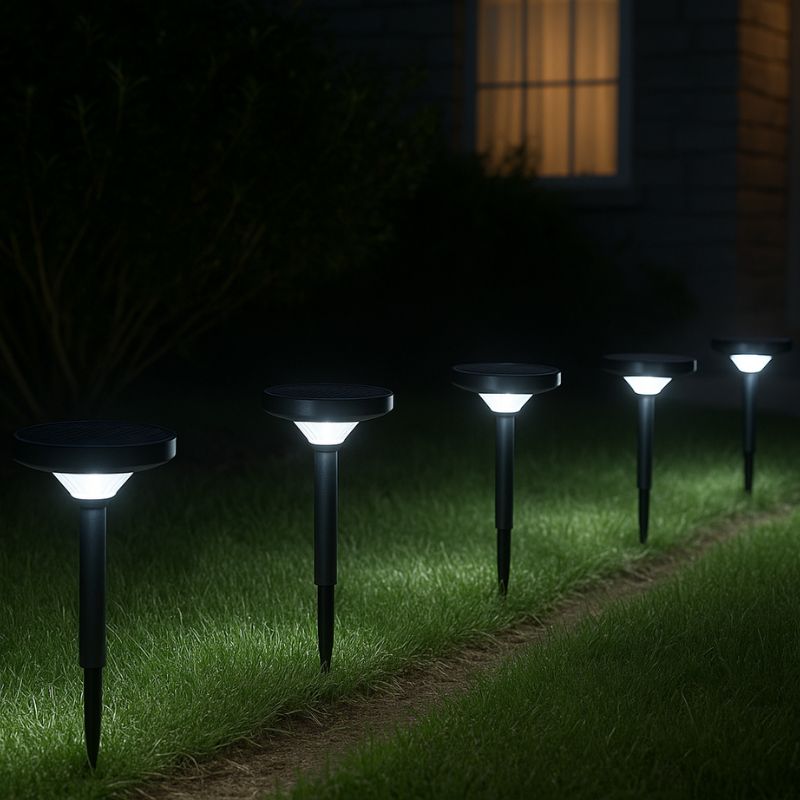
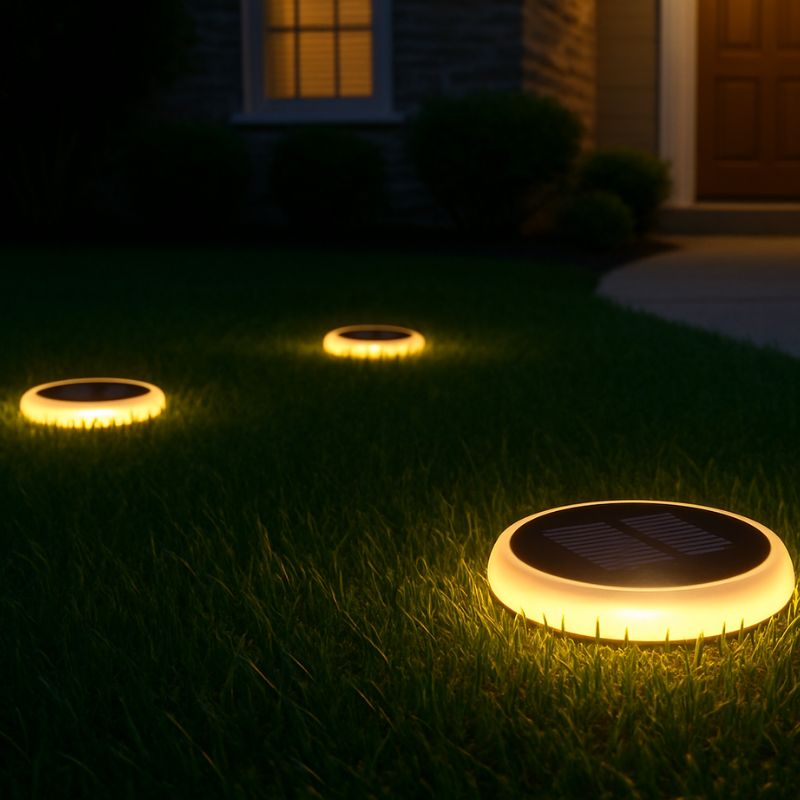
Low bollards or marker lights every 3 to 5 m, staggered, to light the ground without glare. Every step or change of level deserves its own light point.
Outdoor LED Bollards




Your cart is empty.
Black Week Until 26/11
−15% on PRO ranges with 5-year warranty, stackable with the volume discount
Silumen Pro+ View all
Pack of 4 - Outdoor Solar LED Floodlight 9W IP65 3-CCT with Light and Motion Sensor−15 % Black Week
35,19 €
Fire-Rated Recessed Downlight 6W Dimmable CCT IP65 White - 3000K/4000K/6500K−15 % Black Week
8,99 €
LED Panel 60x60 40W White 50,000h 5-Year Warranty - Pack of 6−15 % Black Week
79,99 €
Choose your option
Save with Silumen Pro+ : up to -20% + 6% cashback · no commitment
Project or large volume? Quote within 24 working hours · 01 82 88 32 75
Lighting by room
A well-lit garden guides your steps, showcases two or three trees and leaves the rest in shadow. Bollards and marker lights for paths, spike or in-ground spotlights, sensor wall lights for the entrance, and solar where cables cannot reach.

10 to 20lux
Low bollards or marker lights every 3 to 5 m, staggered, to light the ground without glare. Every step or change of level deserves its own light point.
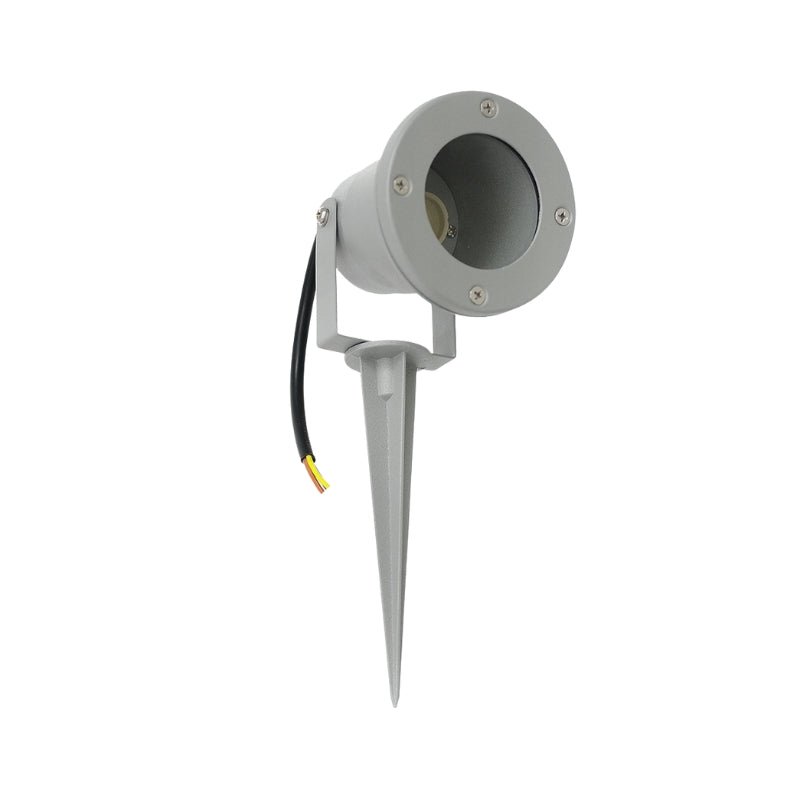
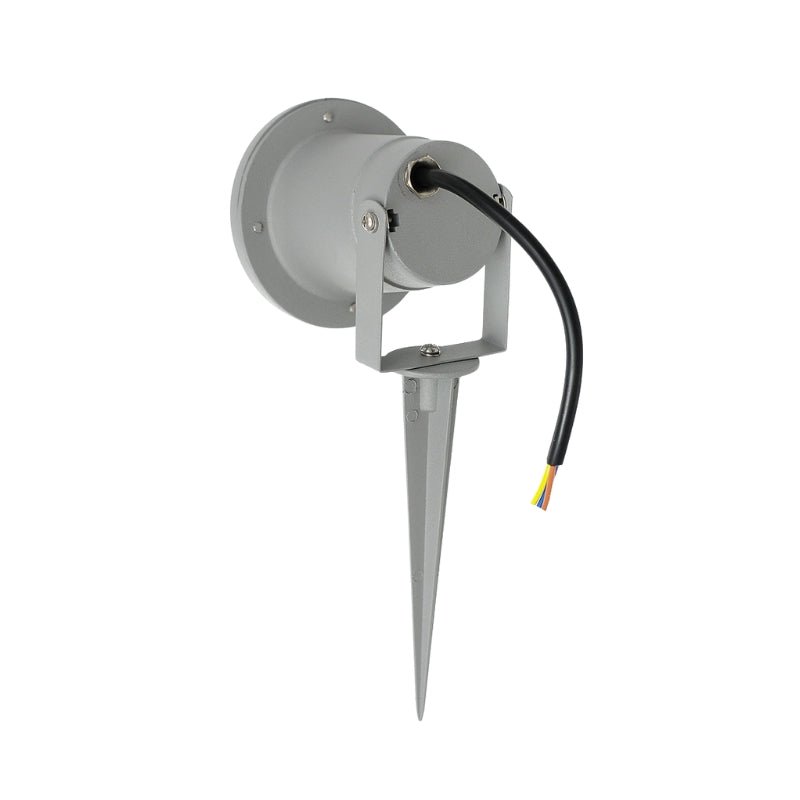
Outdoor LED BollardsLight from the base upwards: narrow beam for a trunk, wide for a border. Two or three features are enough; lighting every tree flattens the garden.
Outdoor Mosquito Repellent Spots50 to 100lux
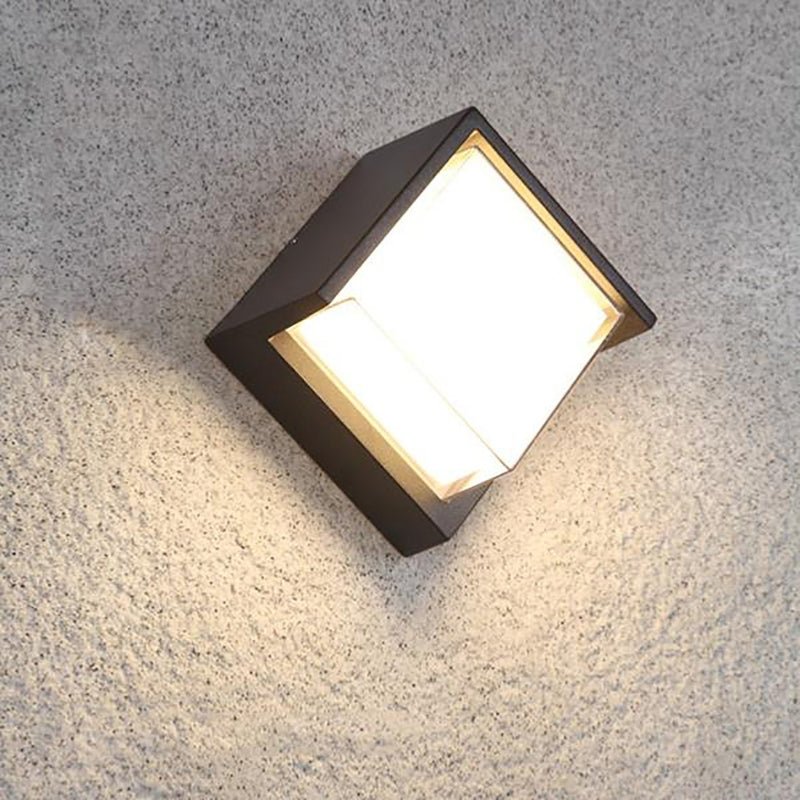
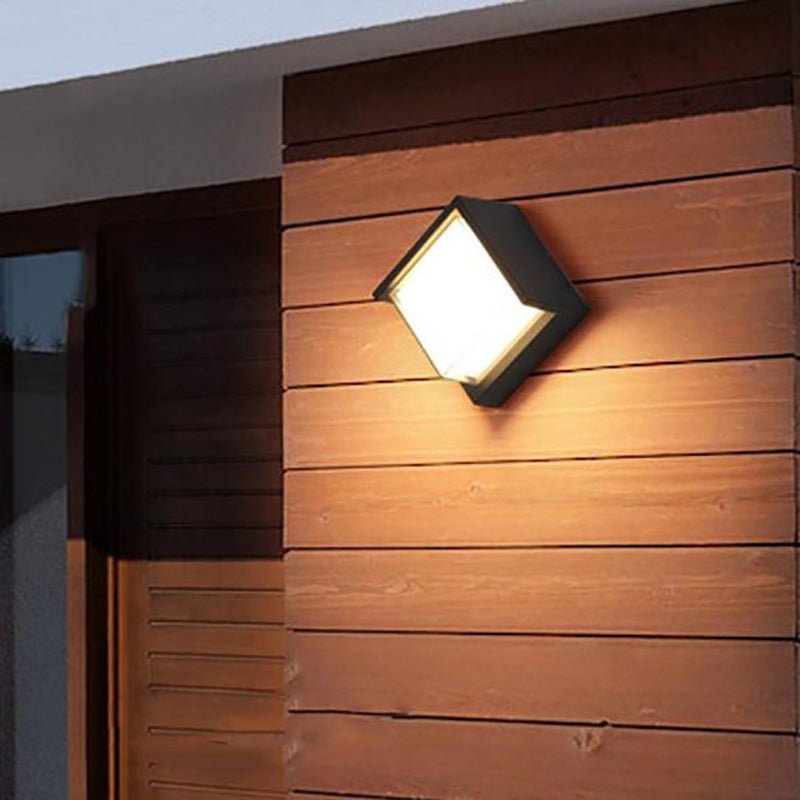
Sensor wall light near the door, light directed downwards. IP44 under a canopy, IP65 on a wall exposed to rain.
Outdoor Wall SconcesSubmersible spotlight at extra-low voltage, aimed away from the viewpoint, with the driver out of the water in a waterproof box.
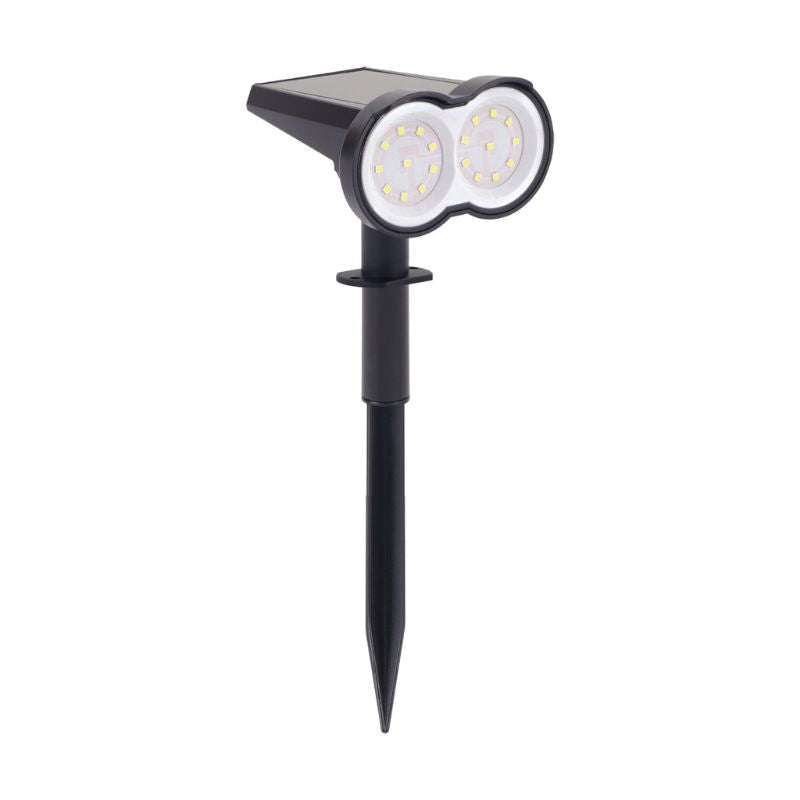
LED Spotlights for PoolFor an isolated point at the far end of the plot: panel facing due south, out of the trees' shade, with lower output in winter than a mains fitting.
Solar LED Lamps| Zone | Illuminance (lux) | UGR max | CRI min | Recommended IP / IK |
|---|---|---|---|---|
| Paths and walkways | 10 to 20 | 80 | IP65 · IP67 in-ground | |
| Trees and borders | 80 | IP65 · IP67 in-ground | ||
| Façade and entrance | 50 to 100 | 80 | IP44 · IP65 | |
| Pond | 80 | IP68 · SELV 12/24 V | ||
| Solar lighting (areas without cable) | 80 | IP44 · IP65 |
Illuminance levels: Silumen recommendations, as no standard sets a value for a private garden; colour temperature per the French decree of 27 December 2018, IP ratings and wiring per French standard NF C 15-100.
Other rooms and applications
3,000 K at most: this is the limit set by the French decree of 27 December 2018 for outdoor lighting. Warm white, between 2,700 and 3,000 K, brings out foliage, wood and stone. Cool white looks washed out and attracts more insects.
IP44 under shelter (canopy, porch), IP65 for a fitting exposed to rain, IP67 for an in-ground spotlight, IP68 for a spotlight submerged in a pond. For an in-ground light on a driveway, also check the stated load rating.
Mains power remains the long-term solution: constant output, dimming, control by timer or detector. Solar saves digging a trench for an isolated point or supplementary marker lighting, but its autonomy depends on sunshine and drops in winter. Place the panel facing due south, out of the trees' shade.
U1000 R2V cable in buried red conduit, with red warning mesh above, protected by a 30 mA RCD. Connections are made in waterproof boxes, away from low points where water collects. Entrust the work to a qualified electrician, especially for a pond.
The most common mistake in a garden is trying to light everything. The result is flat, dazzling and expensive to run. A good project starts from how the space is used: moving around safely, welcoming people at the entrance, enjoying the view from the house. The rest can stay in shadow, which is what gives the garden depth.
The first layer is functional: paths, steps, front door, garage access. The second highlights a few strong features: a tree, a wall, a border. The third is ambient light around the terrace or the pond. Plan at least two circuits: path lighting on a detector, feature lighting on a timer.
Outdoor LED bollards light the ground over a few metres without glare, provided you choose a model with downward-directed light. For a narrow path or a terrace edge, in-ground spotlights stay invisible by day. Choose an IP67 model and set it on a bed of free-draining gravel, never at a low point. Low marker lights pick out steps and low walls.
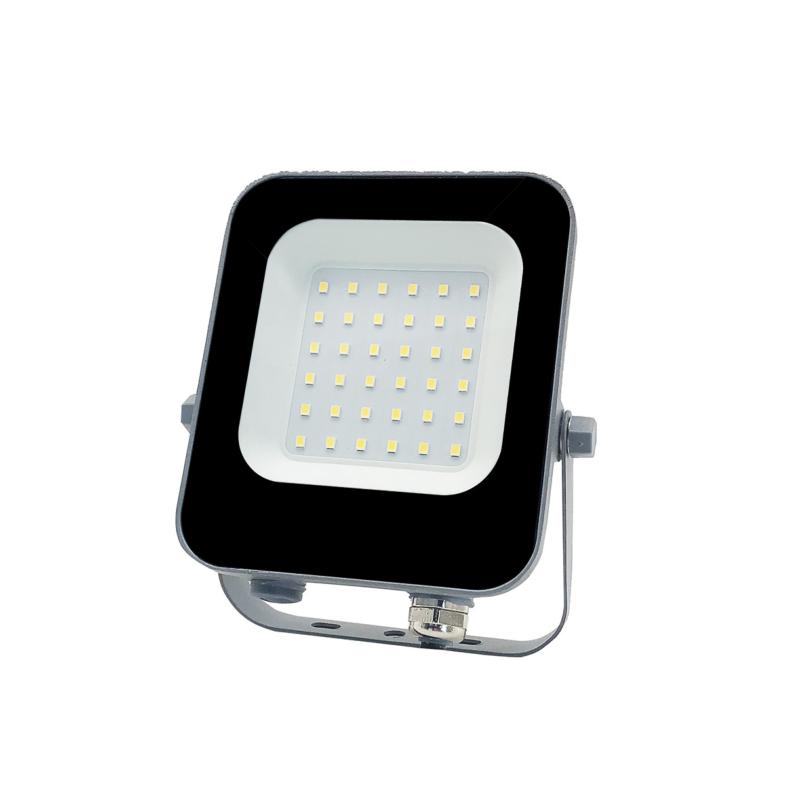
A tree is lit from its base: a narrow beam for a slender trunk, a wider one for dense foliage. Spike spotlights can be moved with the seasons and as plants grow. On the façade, an outdoor wall light with a sensor near the door is often enough. Opt for light directed downwards rather than a floodlight pointing at the sky or into the neighbours' garden.
An IP68 submersible spotlight at extra-low voltage brings the water to life at night. Aim it from the edge nearest the house towards the far bank, so the source is never visible. The driver stays out of the water, in a waterproof box.
Mains connection remains the long-term solution: constant output, dimming, centralised control. In a renovation, or for an isolated point at the far end of the plot, solar LED lights save digging a trench. Their autonomy depends on sunshine: panel facing south, out of the trees' shade, and more modest output in winter.
Buried cable, of type U1000 R2V, runs in red conduit with a warning mesh above. Connections are made in waterproof boxes, above ground where possible, and every outdoor circuit is protected by a 30 mA RCD. Leave a spare conduit running to the areas you will equip later.
Stay at 3,000 K or below, as required by the French decree of 27 December 2018: warm white flatters plants and stone, and disturbs nocturnal wildlife less. A 2,700 K white works well around the terrace and the pond.
For a residence, a hotel or a holiday let, send us a site plan: our lighting study positions the fittings and calculates cable lengths, free of charge for professionals. We send quotes within 24 working hours.