





Optimising your heating with programmable thermostats
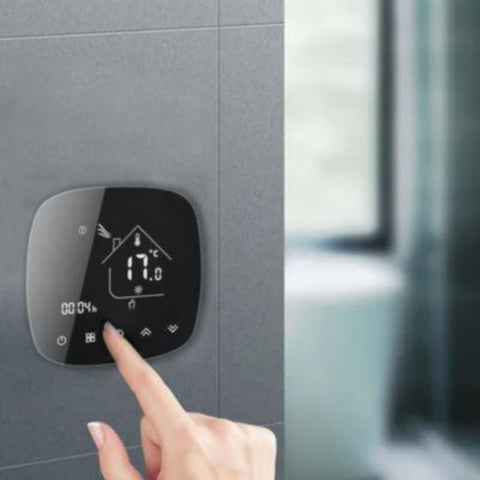
Programmable thermostats are a major step forward in managing and controlling heating systems. A programmable thermostat is a device that automatically regulates the temperature of a space according to time slots defined by the user. Its main function is to adjust the heating to actual needs, ensuring optimal comfort while saving energy.
The importance of choosing the right programmable thermostat cannot be overstated. Each type of thermostat offers different features that may meet your specific needs more or less effectively. A programmable radiator thermostat, for example, is designed to work directly with radiators, offering fine-tuned room-by-room temperature control. Choosing the right programmable thermostat is crucial to optimise both the comfort of your home and the energy you save.


The benefits of programmable thermostats
Programmable thermostats offer a host of benefits that make them well worth adopting in homes and businesses. These benefits fall into three main categories: energy savings, improved comfort and ease of use.
Energy savings
One of the main benefits of programmable thermostats is lower heating costs. Because they automatically adjust the temperature according to preset schedules, these devices limit energy waste. For example, a programmable radiator thermostat can lower the temperature while you sleep or are out, and raise it again just before you get home or wake up. This optimised energy use means lower heating bills and a smaller environmental impact.
Improved comfort
Programmable thermostats also make life more comfortable. By letting you set specific heating time slots, they ensure the temperature suits each part of the day. So you can enjoy a warm home as soon as you wake up or get back from work. What is more, many programmable thermostat models offer remote control via mobile apps, so you can adjust the temperature in real time wherever you are. This added flexibility is particularly appreciated by people with varied schedules.
Ease of use
Finally, programmable thermostats stand out for their ease of use. Most modern models have intuitive interfaces that make programming simple and customisable. You can easily set time slots and temperatures to suit your needs, even without any particular technical skills. In addition, some models offer advanced features such as automatically learning your heating habits, which makes them even easier to use.
To discover other aspects of smart heating solutions, take a look at our other articles.
The different types of programmable thermostat
Programmable thermostats come in several types, each offering specific features and benefits suited to different needs. In this section, we look at wired, wireless and smart programmable thermostats to help you understand their particular features and choose the model that best meets your requirements.
The wired programmable thermostat
A wired programmable thermostat is a device connected directly to the heating system by electrical cables. It lets you control the temperature of your home precisely according to the time slots you have defined.
A wired programmable thermostat consists of a control unit, a display and buttons or a touch interface for programming. It is usually installed in a central spot in the home for optimal detection of the room temperature. It works through an electrical circuit and a pilot wire that transmits the thermostat's instructions to the heating system.
The benefits of a wired programmable thermostat
Wired programmable thermostats are valued for their reliability and precision. As they are connected directly to the heating system, they respond quickly to temperature commands. What is more, they do not depend on batteries or wireless connections, making them durable devices that are less prone to failure.
The wireless programmable thermostat
A wireless programmable thermostat communicates with the heating system via radio or infrared signals. It offers greater installation flexibility as it requires no wiring.
These thermostats consist of two main units: the control unit (or transmitter) and the receiver. The control unit can be placed anywhere in the home, while the receiver is connected to the heating system. The two units communicate wirelessly, making installation simple and adaptable.
The benefits of a wireless programmable thermostat
Wireless programmable thermostats are easy to install and offer great flexibility in terms of placement. They are ideal for homes where wiring would be difficult or expensive to install. They can also be moved easily as needs change.
The smart programmable thermostat
The smart programmable thermostat, or smart thermostat, stands out for its ability to connect to the internet and be controlled remotely via smartphones or tablets. It offers advanced features for optimal heating management.
These thermostats include a control unit with a screen or display, often a touchscreen, built-in sensors and Wi-Fi or Bluetooth connectivity modules. They work by communicating with mobile apps and can be integrated into home automation systems for complete automation.
The benefits of a smart programmable thermostat
One of the main strengths of smart thermostats is that they can be controlled via mobile apps. This lets you adjust the temperature remotely, programme complex time slots, analyse consumption data to optimise energy efficiency, receive alerts if there is a problem and view detailed energy consumption reports.
Smart programmable thermostats integrate seamlessly with other home automation devices such as presence sensors, automatic blinds and smart lighting. This integration enables complete automation of your home management, improving comfort and energy savings.
Using programmable thermostats
Programming and customisation
Programmable thermostats offer great flexibility in terms of programming and customisation, so they can meet each user's specific needs. Setting time slots is a key feature of these devices. It lets you define precisely when the heating should be on during the day, adjusting the temperature to your lifestyle.
Custom scenes are also possible, for even finer control of your heating. For example, you can create separate profiles for weekdays and weekends, or specific scenes for holidays. This customisation ensures the temperature in your home always suits your needs, maximising comfort and energy savings.
Sample weekly schedule
To illustrate what a programmable thermostat can do, here is an example of a weekly schedule:
Monday to Friday:
- 6:00 - 8:00: temperature at 21°C for a comfortable start to the day
- 8:00 - 17:00: temperature at 17°C during working hours to save energy
- 17:00 - 22:00: temperature at 21°C for a pleasant return home
- 22:00 - 6:00: temperature at 18°C for a comfortable night
Saturday and Sunday:
- 7:00 - 9:00: temperature at 21°C for a later start to the day
- 9:00 - 23:00: temperature at 21°C to enjoy the weekend
- 23:00 - 7:00: temperature at 18°C for the night
Remote control
Remote control is one of the most popular features of smart programmable thermostats. With dedicated mobile apps, you can manage the temperature of your home wherever you are. This feature is particularly useful for adjusting the heating if your plans change unexpectedly or for getting your home ready for your return after a long absence.
The benefits of remote control are many. Not only does it optimise comfort, it also saves energy by avoiding unnecessary heating when nobody is home.
To control Silumen connected devices, including heating, we have developed a mobile app available entirely in French: Silumen Home.
Compatibility of programmable thermostats with different types of heating
When choosing a programmable thermostat, it is essential to check that it is compatible with your existing heating system. Compatibility depends on several criteria, such as the type of heating, the thermostat's technical specifications and the specific requirements of the heating system. The types of heating compatible with programmable thermostats include:
- Electric heating: for electric radiators, a wired programmable thermostat is recommended. Our pilot wire thermostat module is suited to this type of heating, as it lets you control each radiator individually for fine-tuned, efficient temperature management.
- Water-based heating: water radiators require a specific programmable thermostat that can manage hot water circuits. A programmable thermostatic head fitted directly to the water radiator is recommended for precise regulation.
- Water-based central heating (boiler): for central heating systems, a smart programmable thermostat is ideal. It lets you manage the heating throughout the whole house and offers advanced features such as remote control and smart scheduling.
- Gas heating: gas heating systems can be effectively controlled by a wired or smart programmable thermostat. Programmable thermostats for gas boilers are designed to manage heating cycles and optimise gas consumption.
In conclusion, programmable thermostats are powerful tools for improving the comfort and energy efficiency of your home. Whether you choose a wired, wireless or smart model, it is crucial to make sure it is compatible with your heating system and to take advantage of programming and remote control features to maximise the benefits.