



What is an LED panel?
An LED panel is a multi-purpose light fitting known for its cost-saving benefits. It consists of an LED light strip protected by an aluminium frame and covered by a Plexiglas diffuser. LED light panels are popular with users for their low energy consumption, like all LED lighting. They use significantly less electricity than traditional light fittings. A 40 W ceiling LED panel, for example, produces a luminous flux (in lumens) comparable to that of a far more energy-hungry fluorescent version.
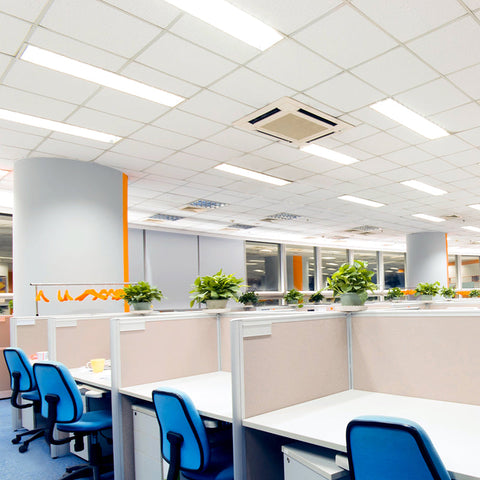
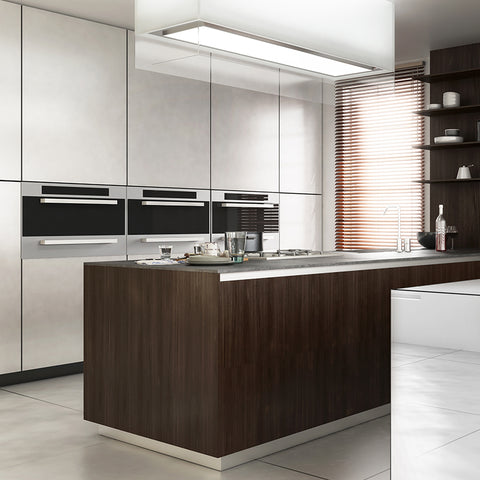
It is also popular for its looks. LED light panels come in several versions, each with its own design: rectangular or square. They blend perfectly into any style of decor and suit every room: office, living room, kitchen, bedroom or bathroom. Ceiling LED panels come in several sizes:
- 30x30 cm LED panel.
- 60x30 cm LED panel.
- 60x60 cm LED panel.
- 120x30 cm LED panel.
Other features that make this panel so sought after include its light weight and ease of installation.
3 ways to install an LED light panel on the ceiling
Manufacturers offer users various kinds of LED panels. Depending on the model, they can be recessed, surface-mounted or suspended.
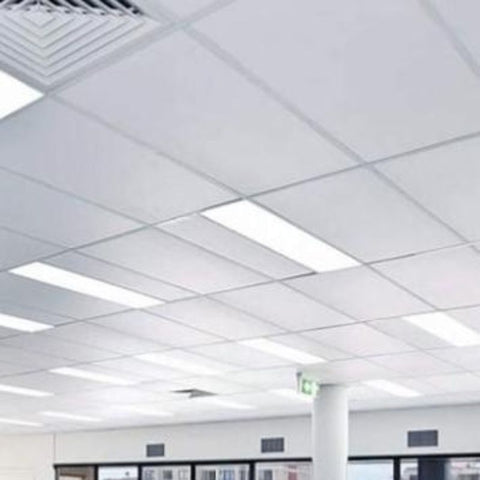
LED panel recessed into a suspended ceiling

You have two options to install a recessed LED panel in the ceiling. You can either use the opening left by an old recessed light or create a new one. In the first case, the work is quick and simple but requires a specific safety precaution. Make sure you reuse your old cables, especially in the busiest rooms.
In the second case, you need to cut a hole in the wall or suspended ceiling. Depending on the shape of your LED panel, 60x60 LED panel or 30x30 LED panel, cut out the recess area cleanly and precisely. Then insert the panel. If you are fitting it into a wall, you will need rear mounting brackets with a small lamp. This makes it easier to pass the screw head through and keeps the installation safe.
There are also a few points to watch out for when recessing an LED panel into a new position in the ceiling. You must make sure the cut-out does not overlap the ceiling rails. This is often tricky with large panels.
Surface-mounting an LED panel

You should choose surface mounting if you have a rigid ceiling or wall, particularly concrete. All LED panel models can be fitted this way, including the 60x30cm light panel.
For this second technique, you need a 5 cm deep aluminium surface-mounting frame. Fix it to the ceiling before placing your panel in it. Once it is in place, the installation with the LED panel on the ceiling is 6 cm deep and its corners measure 90°. On this last point, you need to make sure the sides of the frame form a true rectangle.
Suspended LED light panel
An LED panel suspended from the ceiling often serves as the main lighting in a room with a high ceiling. It is powered directly from the ceiling. It can be placed above the dining table as direct lighting, or with a deflector for softer light. It can also be used to set the mood in your home. The ceiling LED panel installation kit includes several components, such as a hook, a wall plug and suspension cables.
If you opt for a large panel, such as a 120 x 30 cm LED panel, you need to add suspension wires in the middle.
Tips for installing a light panel on the ceiling
How long your installation lasts depends mainly on its quality, but also on how it is fitted. So you need to use the right fitting technique and choose the right equipment.
In general, to install an LED panel on the ceiling, you will need a Phillips screwdriver, a driver and a power cable. You may also need:
- A tape measure: to measure the distance between fixings for a suspended panel.
- A metal mounting frame: for surface mounting.
Recessing the LED panel
Here are the steps to follow to recess a panel into a suspended ceiling:
- Use a screwdriver to remove the cover over the driver.
- Connect the driver to the power cable.
- Put the cover back on.
- Connect the panel to the driver.
- Connect the installation to the mains.
- Place the LED panel in the suspended ceiling.
Surface-mounting a light panel
To surface-mount an LED panel, you need to:
- Fix the surface-mounting frame to the ceiling with screws. Be sure to leave one side open to make it easier to insert the panel.
- Insert the panel into its frame.
- Screw all the sides of the frame in place.
- Place the driver above the ceiling LED panel, then unscrew and remove its cover.
- Do the wiring by connecting the driver to the power cables.
- Put the cover back in place before connecting the LED panel to the driver,
- Connect everything to the power supply.
Installing a suspended LED panel
To suspend an LED panel from the ceiling, you need to:
- Decide on the installation height.
- Make sure the cables are all the same length.
- Fix the suspension fittings to the back of the panel.
- Measure the distance between the fittings and mark the measurements on the ceiling.
- Screw the ceiling fittings into position.
- Hang the LED panel, making sure its fittings are tightened securely.
- Place the driver above the panel and open its cover.
- Connect the driver to the power cable.
- Put the device's cover back in place.
- Connect the suspended LED panel to the driver, then to the power cable.
Safety precautions when fitting an LED panel to the ceiling
To avoid accidents, you must follow strict safety rules when installing your LED light. They apply whatever mounting technique you use.
- Choose a ceiling LED panel that complies with standards and carries the CE marking.
- Switch off the power beforehand to reduce the risk of electric shock.
- Use a voltage tester to make sure the installation is not live.
- Check the cables before powering up the LED panel.
- Keep the panel away from flammable substances such as alcohol, gas, acid, petrol or oil.
Choosing the right LED panel for your space
When you read the information on the packaging of your ceiling LED panel, you will see the letters IP. This is its Ingress Protection rating. Standard EN 60 529 requires a certain level of water resistance and robustness for light fittings sold in Europe. A high rating indicates that a light is protected against the ingress of foreign bodies. You will also find its protection class there.
Below are the IP ratings and protection classes to observe for light fittings in each room of the house.
- Rooms exposed to humidity: in a room such as the bathroom, respect the zones defined by the French standard NF C 15-100, with a light rated IPX4 minimum in zones 1 and 2, Class II or supplied at SELV depending on the zone.
- Drier rooms: to light the bedroom, living room or office, a light with a protection rating of 20 and protection class 2 is sufficient.